


Council Archaeology Fund digs in to support six projects for 2026
Date: 6 February 2026
Time: 10:00
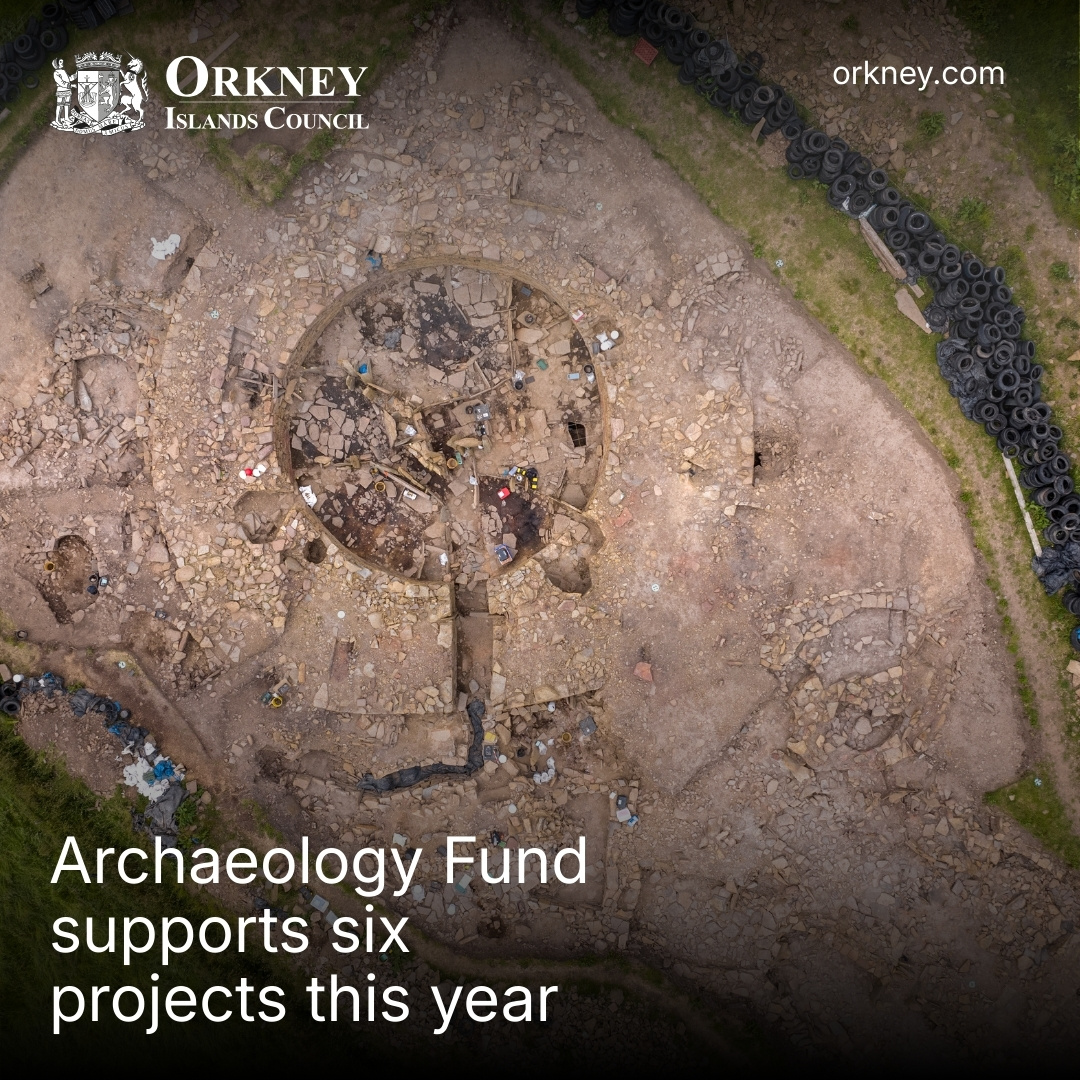
Six archaeological digs and projects in Orkney will be supported by the Council’s Archaeology fund this year - The Ness of Brodgar, The Cairns, Northern Exposure Project, Stronsay Fieldwalking Survey, Discover Pierowall, and Landscapes of Change.
Each year, the Council allocates the £40,000 Archaeology Fund, with half of the annual budget dedicated to supporting work in the outer isles.
The fund is designed to strengthen local engagement with Orkney’s rich archaeological heritage by supporting community involvement, learning opportunities, and projects that deepen the connection between people and place.
It has helped to generate a substantial amount of media coverage, community benefit, research outputs, and income through heritage tourism.
Paul Sharman, Orkney’s County Archaeologist, said:
“The impact of the Archaeology Fund has benefits that over more than twenty years far outweighs the size of the annual £40k fund. The projects supported are able to bring in other match-funding on the back of the grant and result in both short- and long-term economic and community benefits to their locations. The research into and knowledge of Orkney’s archaeological heritage resulting from the fund has paid dividends in community engagement, visitor spend and the worldwide interest in Orkney’s past and how it informs our present.”
Councillor Kristopher Leask, Chair of Enterprise and Infrastructure, said:
“These projects show the remarkable impact that thoughtful investment can have across our islands. By supporting work from internationally significant sites like the Ness of Brodgar to community‑driven initiatives in the outer isles, the Archaeology Fund helps promote connections between people and place. Over the past five years we’ve seen how targeted funding can unlock research, learning, and real community benefit - and it’s exciting to see that momentum continue.”
About the projects:
The Ness of Brodgar excavation officially came to an end in August 2024, but the essential post-excavation research is ongoing. However, in the summer of 2025 Time Team conducted a geophysical survey of the site using modern equipment, and this funding will allow in depth analysis of the data that subsequently will inform a special excavation planned for summer of this year.
Work at The Cairns in the Windwick area in South Ronaldsay has been ongoing since 2006, run by director Martin Carruthers, a lecturer in archaeology with the UHI Archaeology Institute based at UHI Orkney. The investigation is currently focusing on the excavation of a large Atlantic Roundhouse, or broch, and associated structures from various phases through the Iron Age and Norse period and their work will contribute to information on sites across Orkney from these periods.
UHI’s Landscapes of Change is an archaeology-led research project exploring long‑term environmental and cultural change on the island of Rousay, Orkney, with a focus on the historic Westness estate. It combines excavation, landscape survey, community involvement, and heritage research.
The Northern Exposure Project in Sanday is an archaeological investigation led by the UHI Archaeology Institute that focuses on the transition from the Neolithic to the Bronze Age in Orkney, particularly around 2400–1800 BC. It examines how communities changed after the decline of large Neolithic settlements, using Spurness as a key case study.
Discover Pierowall is a community‑focused heritage and archaeology initiative on Westray designed to help visitors and locals explore and engage with the rich history, landscapes, and stories of Pierowall through archaeological investigations. It highlights the area’s archaeological sites, Norse heritage, heritage centres, and walking routes, making it easier for people to understand and experience the island’s past by embedding public access.
The Stronsay Fieldwalking Survey is a community‑driven heritage project that brings local residents and archaeologists together to explore the island’s past through hands‑on fieldwork. Rather than focusing solely on artefact recovery, the project is designed to strengthen community engagement with Stronsay’s rich archaeological landscape and to provide practical training in field survey techniques.
-
Category:
- Benefits and Grants
